


The chief economist at consulting firm RSM US noted that tariffs and the ongoing revision of trade terms with other countries will become “a defining feature of U.S. trade policy in the foreseeable future.”
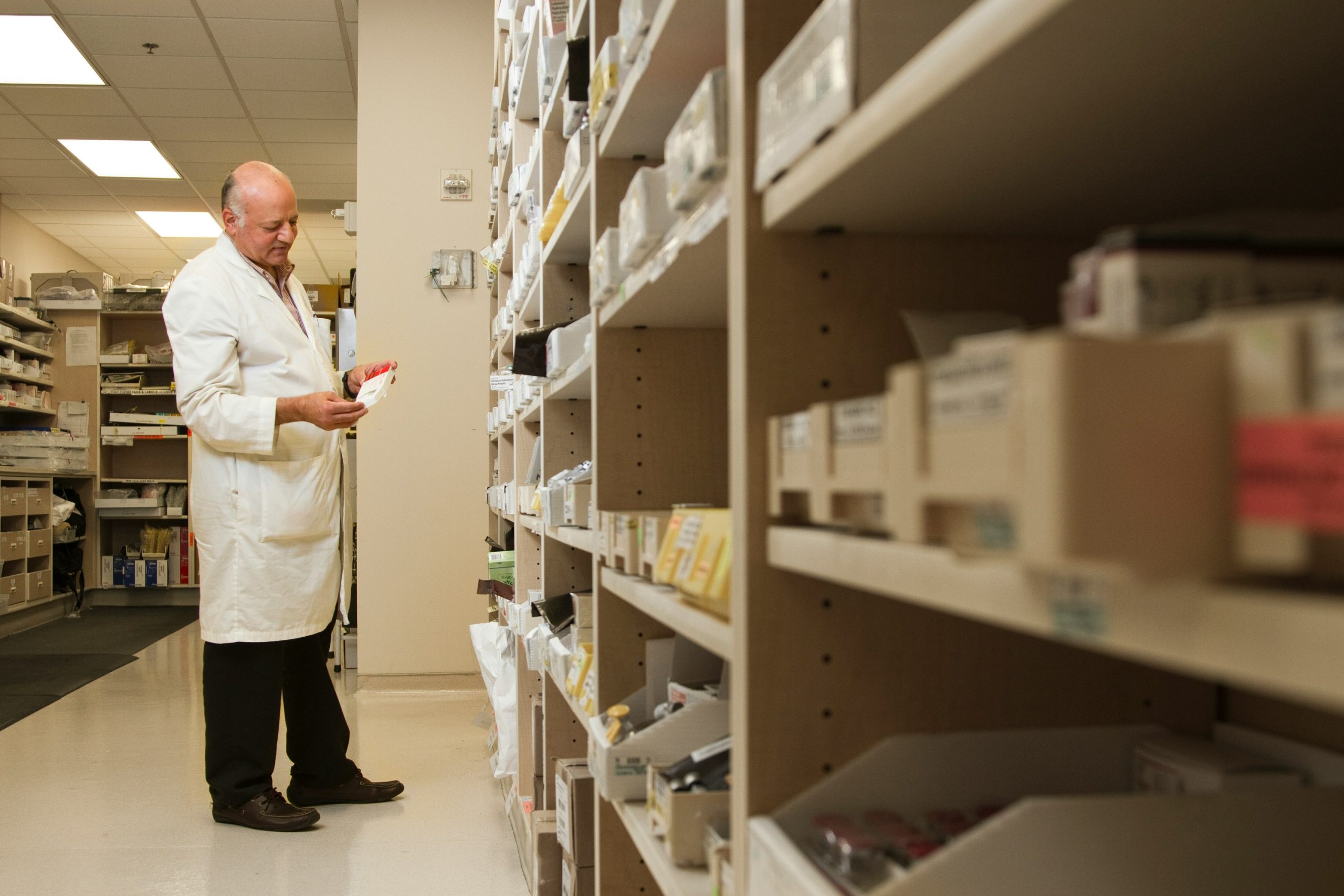
Tariffs on European goods, outlined in a trade agreement between Washington and Brussels, could lead to higher prices for imported medical drugs in the United States. This opinion was expressed to Axios by Joseph Brusuelas, chief economist at consulting firm RSM US.
“The big picture is this: the cost of imported medications will soon become more expensive for all Americans,” said the expert. According to him, tariffs and the continuous renegotiation of trade terms with foreign countries will become “a defining feature of U.S. trade policy in the foreseeable future.”
As noted in the publication, European countries are among the largest exporters of branded pharmaceuticals and their components to the United States. Most of these products were previously exempt from customs duties. However, the situation is expected to change following new tariffs imposed by the White House on goods from the EU. U.S. pharmaceutical giants such as Pfizer, Johnson & Johnson, and Ozempic (Novo Nordisk) are among those relying heavily on collaboration with the EU.
On July 27, European Commission President Ursula von der Leyen and U.S. President Donald Trump reached an agreement under which the U.S. will impose 15% tariffs on approximately 75% of European exports starting August 1, instead of the 30% tariffs on all exports that Trump had previously threatened. In return, the European Commission pledged to completely ban imports of Russian energy resources into the EU and to purchase $750 billion worth of American oil, gas, nuclear equipment, and fuel, along with $600 billion in investments into the U.S. digital industry.
Source: TASS, July 29, 2025.