

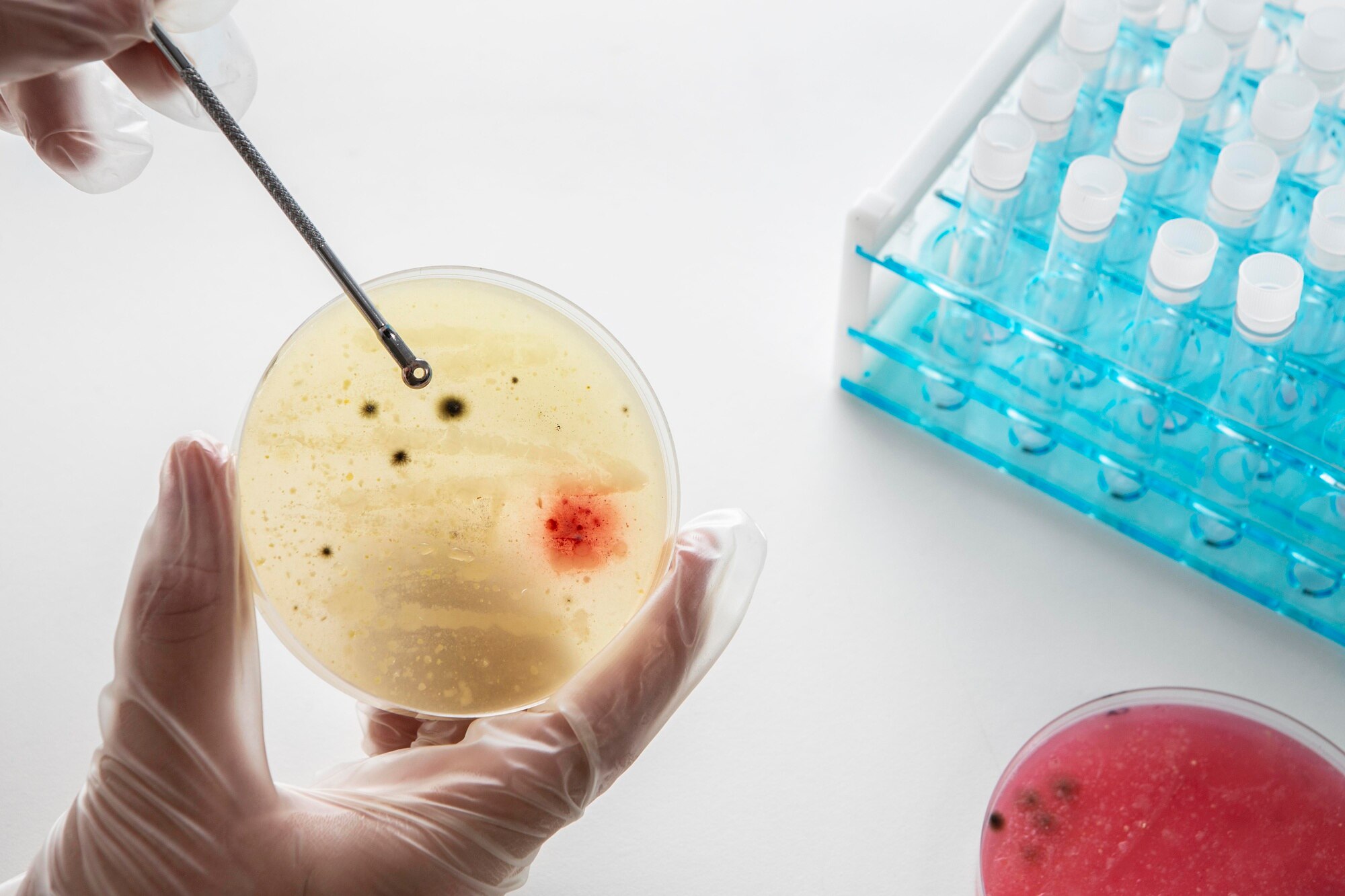
The discovery could greatly reduce chemotherapy toxicity and change future approaches to cancer treatment.
Scientists at Ural Federal University (UrFU) have created carbene-based platinum complexes that suppress tumor cell growth ten times more effectively than cisplatin — one of the most widely used chemotherapy drugs. The discovery could help fight tumors that have developed resistance to cisplatin and reduce the severe side effects associated with chemotherapy, according to UrFU’s Scientific Communications Department in a statement to TASS.
“Researchers at UrFU have developed new platinum-carbene complexes that are ten times more effective than cisplatin in suppressing the growth of tumor cells. This breakthrough could significantly reduce the toxicity of cancer treatment and transform therapeutic strategies against malignant tumors in the future. The study was published in the Journal of Molecular Structure and supported by a grant from the Russian Science Foundation (project No. 23-23-00375),” the department reported.
These new compounds are capable of targeting cisplatin-resistant tumor cells, potentially allowing for lower dosages and fewer side effects.
Key Advantages of the New Compounds
The synthesized substances do not induce apoptosis (programmed cell death), but instead halt tumor cell growth and division by disrupting the function of mitochondria — the “power plants” of the cell. The university intends to patent the synthesized compounds through Russia’s Federal Intellectual Property Service.
Experiments on glioblastoma, lung, and liver cancer cells demonstrated high efficacy, even at nanomolar concentrations. For instance, to suppress the growth of brain tumor cells, the required concentration was around 0.1–0.7 μM, while for cisplatin it was 4.2 μM — showing that the new compounds are an order of magnitude more active than the traditional chemotherapy drug.
Researchers also modified the platinum-carbene compounds to enhance activity at lower dosages and alter the mechanism of action, making them effective against previously resistant types of tumor cells. This opens the possibility of combining these with existing chemotherapies or developing entirely new treatment regimens.
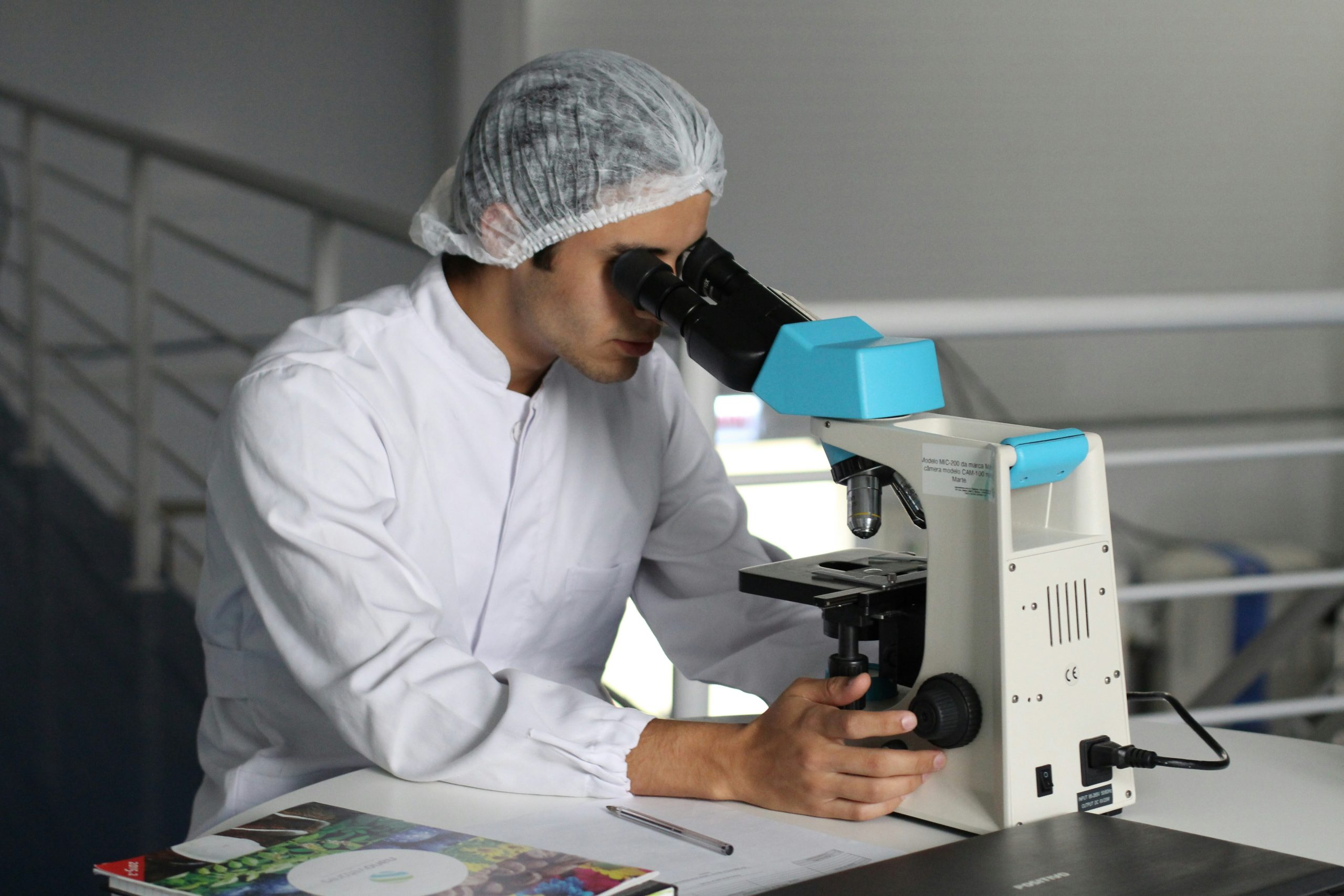
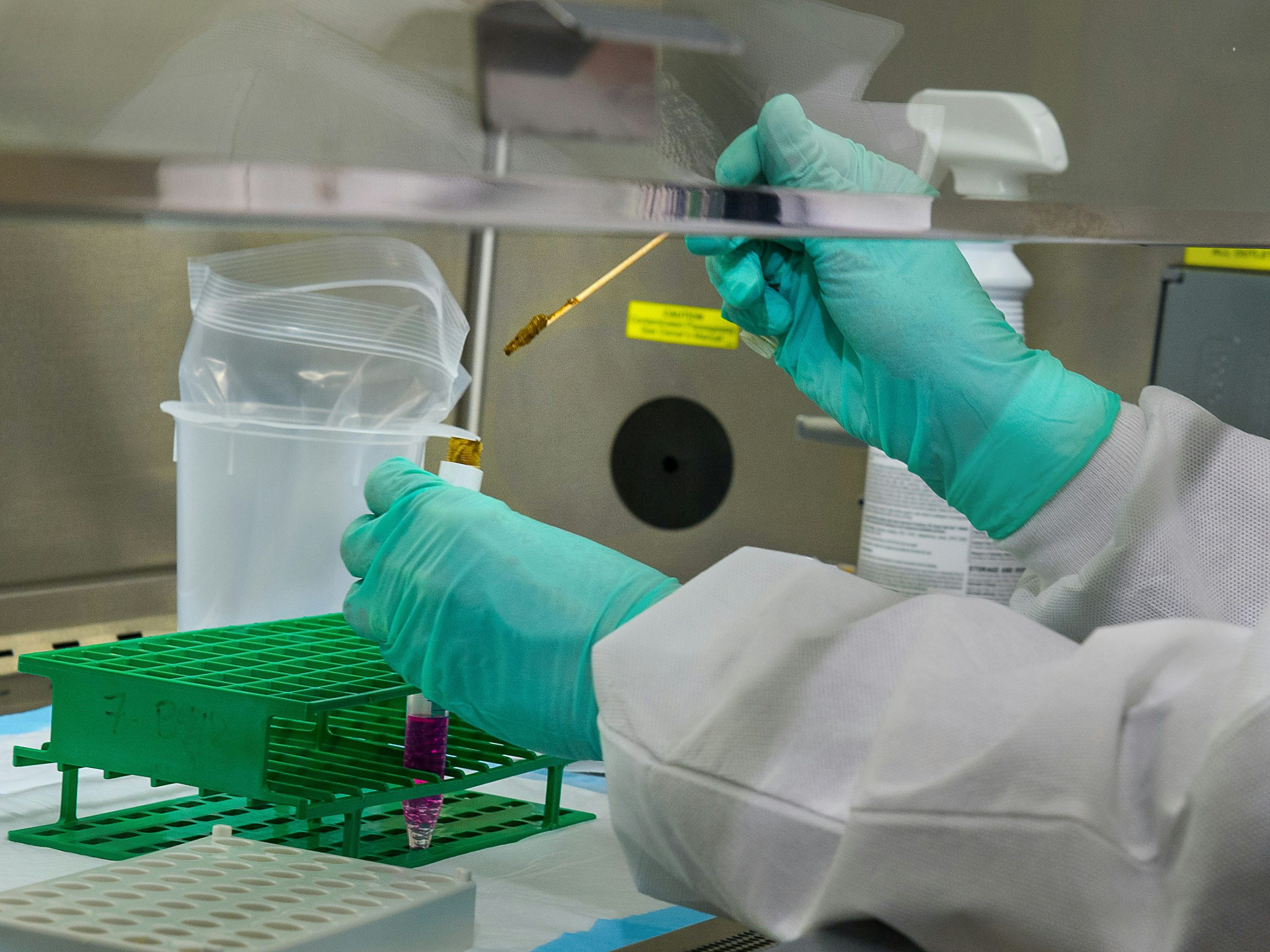
To analyze the activity and mechanism of action, the scientists used state-of-the-art equipment. For example, Bruker Avance Neo NMR spectrometer was used to study molecular structures in detail.
“Our device configuration is unique — the use of a cryoprobe cooled with liquid nitrogen allows us to obtain highly accurate molecular data from even minimal sample quantities,” said Oleg Yeltsov, head of the laboratory for comprehensive analysis of organic materials at UrFU’s shared-use center.
This result is the culmination of long-term work with platinum complexes at UrFU. The next stage will be preclinical in vivo testing.
According to the World Health Organization, 10 million people died of cancer in 2020. Cisplatin and its analogs are used in treating approximately 50% of all neoplasms, but their use is often limited by toxicity and tumor resistance. The development of targeted anti-cancer therapies is one of the most promising strategies in the fight against cancer.
Source: TASS, May 29, 2025